
Most travelers overlook the importance of hotel room block etiquette, which can lead to unnecessary stress when booking accommodations for events. By understanding the key dos and don’ts, you can ensure a seamless experience not only for yourself but also for your guests. From setting up the block correctly to communicating expectations, these tips will guide you in optimizing your hotel arrangements while maintaining a professional and courteous approach.

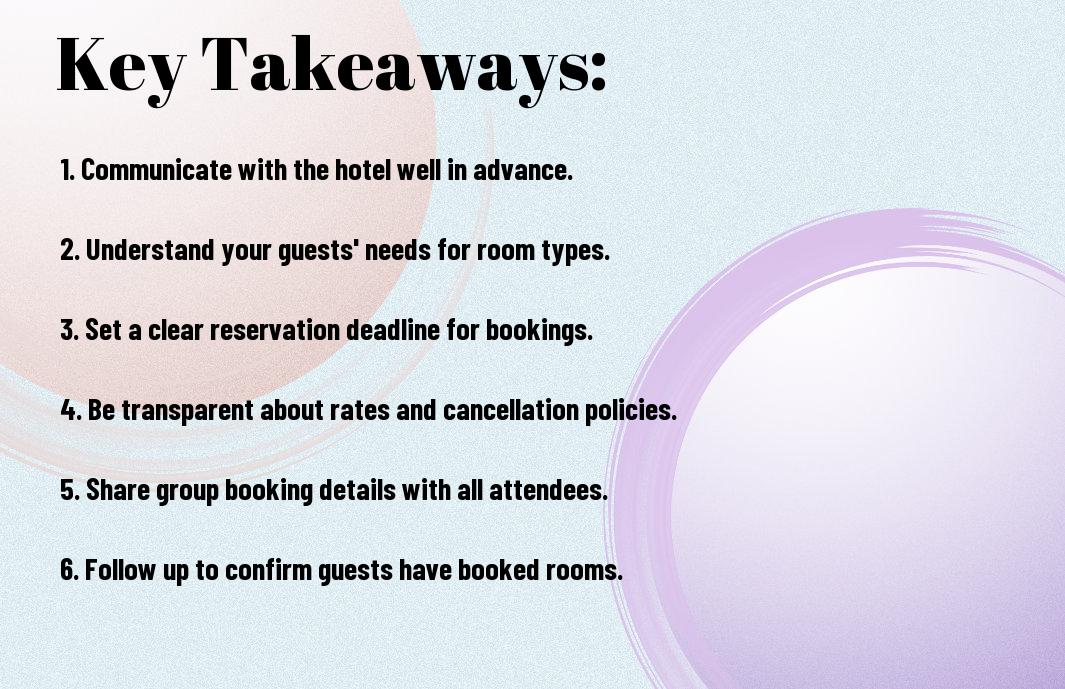
Key Takeaways:
- Understand the Booking Process: Familiarize yourself with the hotel’s policies on room blocks, including deadlines and deposit requirements to ensure a seamless reservation experience.
- Communicate Clearly: Inform your guests about the details of the room block, including how to book and any special rates available, to minimize confusion.
- Follow Up: Regularly check in with the hotel to verify the status of your room block, making adjustments if necessary to accommodate your guests’ needs.
Understanding Hotel Room Blocks
For many planning large events, such as weddings or corporate gatherings, hotel room blocks are an crucial part of the process. You may find yourself needing accommodation for a large group of guests, and negotiating a room block with a hotel’s sales team can help streamline your efforts. Not only do room blocks ensure that you and your guests have a place to stay, but they also offer a level of organization and dedication from the hotel, which can ease the planning process significantly.
What is a Hotel Room Block?
With a hotel room block, you reserve a set number of rooms for your event during a specific timeframe. This ensures that your guests have access to accommodations at a predetermined rate, often lower than standard prices. It allows you to maintain control over the booking process, as you can typically set policies regarding check-in dates, cancellation terms, and the booking deadline. Room blocks can also vary in size, catering to small gatherings as well as large events, making it a versatile option for any kind of group.
Benefits of Booking Room Blocks
An advantage of booking room blocks is the significant cost savings for both you and your guests. Hotels often provide discounted rates for groups, which can make a noticeable difference in overall expenses. Additionally, a room block could include complimentary amenities, such as breakfast or parking, that enhance the guest experience. This arrangement also fosters a sense of community among attendees, as they will be staying in close proximity to one another, creating an opportunity for social interactions and bonding.
Understanding the benefits of booking room blocks extends beyond just financial savings. It streamlines communication with your guests, as you can direct them to a single booking link rather than managing individual reservations. Hotel representatives can also assist you in coordinating any specific needs, such as room configurations or additional services. Overall, by opting for a room block, you cultivate an environment of convenience and camaraderie that elevates the experience for everyone involved in your event.
Setting Up Your Room Block
The process of setting up your hotel room block is vital to ensuring that your guests have a seamless experience when attending your event or celebration. To begin, you’ll want to define the size and scope of your room block based on your expected guest list, as this will inform your hotel choices and negotiations. Booking a room block early is often beneficial, as it secures better rates and availability, particularly during peak seasons or events in your chosen location.
Choosing the Right Hotel
Beside establishing the number of rooms needed, selecting the right hotel is vital for the comfort of your guests. Consider factors such as proximity to your event venue, available amenities, and the hotel’s reputation. Ideally, you should look for hotels that offer a variety of room types to accommodate different preferences and budgets, as this openness can lead to a better overall experience for your attendees.
Negotiating Room Rates and Policies
Any successful negotiation for hotel room blocks involves understanding the balance between your needs and what the hotel can offer. Be upfront about your budget and expected headcount, and don’t shy away from asking for discounted rates. Many hotels are willing to negotiate based on the number of rooms reserved, length of stay, and the time of year, so you can leverage these factors to get the best deal for your block.
And, as you negotiate, it’s vital to clarify all policies related to room block terms, such as cancellation policies, booking deadlines, and deposit requirements. Having clear agreements in place protects both you and your guests from potential issues down the line. Be sure to read and understand all the terms before signing a contract, ensuring a worry-free experience for everyone involved.
Communicating with Guests
To ensure your guests have a seamless experience with the hotel room block, clear communication is important. This begins with informing them about the availability and details of the room block, which allows them to make necessary arrangements in advance. Providing information about the location, rates, and reservation deadlines can greatly reduce confusion and streamline the booking process, making it easier for everyone involved. Make use of your wedding or event website, save-the-dates, or emails to communicate this information effectively.
Informing Guests About the Room Block
One of the first steps in your communication strategy is to inform your guests that a room block has been established for your event. This includes sharing the name of the hotel, the room rate, and the booking deadlines. It’s advisable to include any relevant information about amenities and services provided by the hotel, such as complementary breakfast or shuttle services. The sooner your guests have this information, the better they can plan their stay, ensuring they are excited and prepared for your event.
Providing Clear Booking Instructions
Any successful room block communication strategy includes clear booking instructions. Guests should receive straightforward directions on how to reserve their rooms, whether they should call the hotel directly, book online, or use a specific group code. Providing a step-by-step guide can be very helpful, particularly for guests who may not be familiar with the booking process or those who encounter challenges. Also, encourage them to reach out if they have questions or need assistance with their reservation.
Consequently, by offering detailed and unambiguous booking instructions, you empower your guests to secure their accommodations without unnecessary stress. Make sure to reiterate the importance of booking within the designated time frame to ensure they benefit from the negotiated rates. Additionally, encourage them to confirm their reservations and communicate any issues they may encounter. This proactive approach allows you to build rapport with your guests, ensuring that their experience is positive from the start.
Dos of Hotel Room Block Etiquette
Not only do you want to create a seamless experience for your guests, but being mindful of hotel room block etiquette can also save you time and stress. One of the primary aspects to keep in mind is making timely requests and confirmations. This means reaching out to the hotel as soon as you have a date in mind and guests to accommodate. By acting promptly, you increase your chances of securing the best rates and availability. It’s also vital to confirm your block with the hotel as early as possible. Doing so will allow you to finalize details and share the necessary information with your guests well in advance.
Timely Requests and Confirmations
Across the planning process, stay proactive about communicating with the hotel. After securing your room block, check in regularly leading up to the event to ensure that your block remains intact and any necessary adjustments can be made. If your guest list changes, reach out promptly to let the hotel know. Proactive communication will help you maintain a solid relationship with the hotel staff, which can be beneficial if issues arise. By taking the initiative early and often, you ensure a smoother booking experience for everyone involved.
Understanding Hotel Policies
Room blocks come with various policies that can differ from hotel to hotel. It’s vital that you thoroughly understand the terms of your contract to prevent surprises down the line. This can include knowing the cutoff date for booking, cancellation policies, and payment arrangements. Ensure you clarify how many rooms you can release without penalty, as well as any extra fees associated with late bookings.
Even the most organized planner can face challenges if they are unaware of specific policies. By digging deep into the hotel’s regulations, you empower yourself to make informed decisions for you and your guests. Additionally, having this knowledge beforehand allows you to communicate clearly with your guests about booking procedures and any potential changes, enhancing their overall experience.
Don’ts of Hotel Room Block Etiquette
Not adhering to proper hotel room block etiquette can lead to a multitude of complications that could spoil the experience for both you and your guests. One of the most significant pitfalls is overbooking. As you finalize your guest list and arrange accommodations, it’s necessary to accurately estimate the number of rooms needed. If you overestimate and block too many rooms, you risk incurring unnecessary fees or being left with empty rooms that impact your budget. Conversely, underestimating and failing to secure enough rooms could leave your guests without suitable options for accommodation, leading to frustration and logistical headaches.
Overbooking and Last-Minute Changes
Overbooking can also arise from last-minute changes in guest attendance. While life events can be unpredictable, excessive changes can disrupt your booking arrangements with the hotel. Try to communicate any updates in guest numbers as early as possible. Last-minute adjustments can not only affect your relationship with the hotel staff but also hinder your ability to accommodate your guests’ needs, making it challenging for everyone involved to enjoy the stay.
Ignoring Guest Feedback
Against ensuring your guests have a pleasant experience, neglecting their feedback can lead to dissatisfaction and missed opportunities for improvement. When planning your hotel room block, it’s wise to consider any preferences or concerns your guests may have regarding accommodation options. If they express preferences for specific locations or amenities, taking this into account can enhance their overall experience. Failing to do so may not only reflect poorly on your organization and planning but could also deter guests from participating in future events.
Another important aspect of ignoring guest feedback is that it can limit your ability to make informed decisions for upcoming occasions. Listen closely to anything guests mention regarding their stay, from room quality to check-in processes. This information can be invaluable for refining your future hotel block arrangements and ensuring higher satisfaction for all attendees in the long run.
Maintaining Flexibility
Now that you are aware of the importance of hotel room block etiquette, one key aspect to keep in mind is maintaining flexibility throughout the booking process. A well-managed room block takes into account the changes and uncertainties that may arise as your event approaches. Ensuring that both you and your guests can adapt to these changes will create a more seamless experience and reduce potential stress. By working closely with the hotel, you can negotiate terms that allow for modifications to room assignments or booking quantities as necessary, which can be particularly helpful if guest numbers fluctuate or personal circumstances change.
Accommodating Changes and Cancellations
Behind every successful event, there lies a framework that accommodates changes and cancellations gracefully. You should discuss with your hotel the policy on changes and cancellations before signing any agreements. This not only ensures that you are aware of critical timelines and any penalties that might apply but also enables you to communicate these policies clearly to your guests. Flexibility regarding cancellations can significantly enhance the experience for your attendees, who may appreciate the option to adjust their plans without facing financial penalties or losing their deposits.
Being Available for Guest Inquiries
Around the time of your event, you should be prepared to handle any inquiries from guests regarding their accommodations. Being accessible and responsive can greatly ease their concerns and enhance their experience. Ensure that you provide your guests with clear contact information and prompt responses to any questions they might have about bookings, hotel amenities, or event logistics. This open line of communication not only fosters goodwill but also helps to address any potential issues before they escalate.
Hence, establishing a dedicated point of contact for your guests can facilitate a smoother inquiry process. This person can be responsible for answering questions, providing assistance regarding the hotel amenities, or directing guests to the appropriate hotel staff if needed. By offering this level of support, your guests will feel more valued and reassured, thus enhancing their overall experience during your event and contributing to a successful outcome.
Final Words
With this in mind, navigating hotel room block etiquette can greatly enhance your booking experience and that of your guests. By understanding the important dos and don’ts, you can ensure that everyone involved has a favorable experience. It’s imperative to communicate clearly with your selected hotel and provide all necessary details, including your group’s needs and preferences. Additionally, encourage your guests to book well in advance, and ensure that they understand the importance of timely cancellations or modifications. This proactive approach will help keep everyone informed and minimize any last-minute surprises.
Ultimately, the key to a successful hotel room block lies in your ability to stay organized and communicate effectively with both the hotel staff and your guests. By following these etiquette tips, you’ll lay the groundwork for a stress-free booking experience that enhances your overall event or gathering. Taking the time to familiarize yourself with these guidelines will not only benefit you but will also show your guests that you value their comfort and convenience. Keep these principles in mind, and you’ll be well on your way to a smooth and enjoyable experience for all.
Q: What is a hotel room block, and how does it work?
A: A hotel room block is a reservation arrangement made by an individual or group, usually for events such as weddings or corporate gatherings, to secure a number of rooms at a discounted rate. Typically, the event organizer will negotiate with the hotel to hold a set number of rooms for a specified period. Guests can then book those rooms, often at a reduced rate, while the hotel retains some flexibility to allocate any unreserved rooms to the general public. It’s imperative to communicate the booking details to your guests to ensure they understand the process, such as deadlines for reserving rooms and cancellation policies.
Q: What etiquette should I follow when managing a hotel room block for my event?
A: When managing a hotel room block, it’s vital to maintain clear communication with both the hotel and your guests. First, be sure to reserve your block well in advance to ensure availability. Provide your guests with all necessary information, including booking instructions, the cut-off date, and details about any amenities or perks provided by the hotel. Be considerate of your guests by following up to remind them of the booking deadline, as well as any changes to the event itinerary that could affect their stay. Lastly, ensure to confirm the final headcount with the hotel to avoid last-minute surprises.
Q: What should I do if my guests face issues during their stay related to the room block?
A: If guests encounter any issues during their stay, such as incorrect reservations or other concerns, it’s important to address the situation promptly and professionally. Encourage your guests to communicate their issues directly with the hotel staff, as they are best equipped to resolve on-site problems. Additionally, maintain your availability to assist your guests as needed, whether it involves facilitating communication with the hotel management or offering other solutions. After the event, consider gathering feedback from your guests regarding their experience to improve future room block arrangements.


