
Rooms can be a significant aspect of your group travel experience, whether you’re planning a wedding, family reunion, or corporate retreat. Understanding room blocks can simplify the booking process and ensure that everyone in your group is accommodated in a convenient manner. In this post, you’ll discover what room blocks are, how they work, and the benefits they offer for managing your group’s lodging needs effectively. Get ready to make your next group trip seamless and enjoyable with these insights.
Key Takeaways:
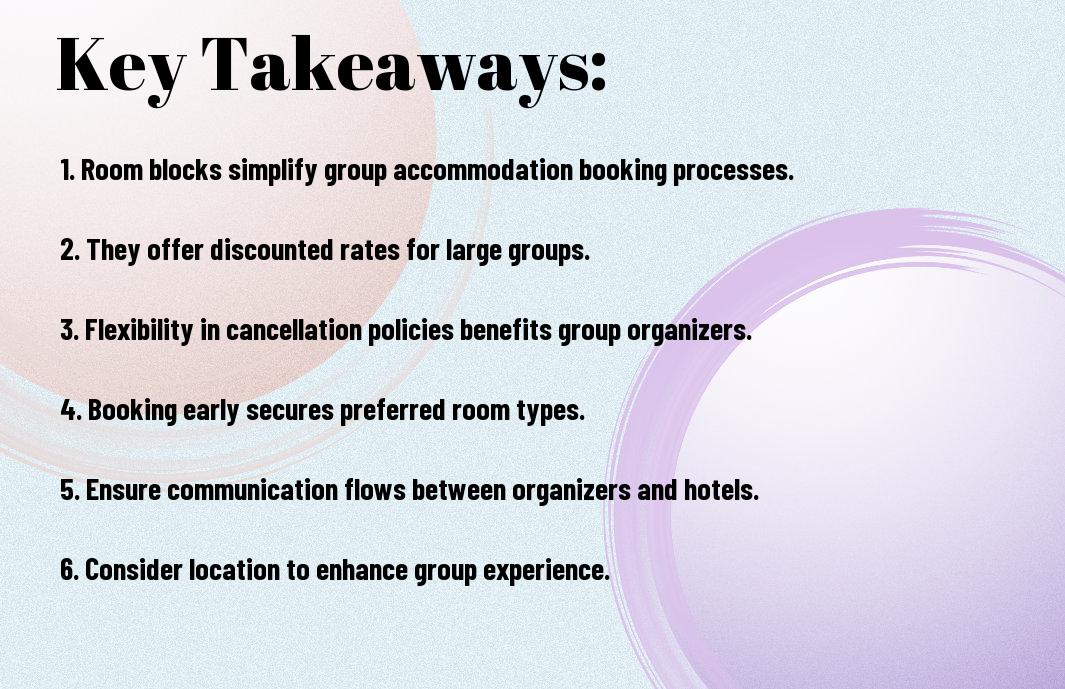
- Room Blocks: These are special arrangements made with hotels to reserve a certain number of rooms for a group at a discounted rate.
- Flexibility: Room blocks often offer flexibility in terms of guest numbers and reservation changes, making them ideal for group travel.
- Convenience: Booking a room block streamlines the accommodation process, allowing group members to stay together and simplifying logistics.
- Negotiated Rates: Group travel often enables access to lower rates, making overall expenses more manageable for everyone involved.
- Deadlines: It’s vital to be aware of reservation deadlines and cancellation policies when securing a room block to avoid unexpected fees.
Planning Your Group Travel
If you’re gearing up for a group trip, planning becomes an imperative task that can make or break the experience. It’s not merely about booking a flight; you need to account for everyone’s preferences, budgets, and travel dates. Assessing these details early allows you to streamline the planning process, ensuring a smoother experience for the entire group. By coordinating group needs and expectations, you can save time, resources, and potential headaches down the road.
Determining Group Size
Against the backdrop of making travel arrangements, determining your group size is a significant first step. Start by engaging all participants, gathering their commitments and availability. This step helps to define whether your group consists of just a few friends or a more extensive network, such as family members or coworkers. Knowing your exact count is vital, as a larger group often comes with special considerations, such as negotiating group rates or making specific catering arrangements.
Choosing the Right Hotel
Size matters when it comes to selecting the right hotel for your group. The hotel should accommodate your group size comfortably while also offering the amenities and services you desire. Consider proximity to attractions, available facilities for group gatherings, and the overall atmosphere that fits your group’s vibe. This helps ensure that everyone has a pleasant experience, whether it’s your cousin’s wedding or a corporate retreat.
Hence, selecting a hotel with a variety of room options and common spaces can significantly enhance your group trip. Look for properties that offer features such as meeting rooms, lounge areas, or even recreational facilities. Additionally, check if the hotel provides group discounts or even special packages tailored for large parties. This not only contributes to your group’s cohesion but can also lead to savings, making your trip more enjoyable and affordable.
Common Challenges and Solutions
Unlike solo travel, group trips can sometimes bring about unique challenges, particularly when it comes to managing room blocks. You may find yourself dealing with overbooking issues, which can be a significant concern for larger parties. Hotels often sell out quickly during peak seasons or events, leading to situations where some members of your group may be left without accommodations. This not only causes frustration but can also jeopardize your travel plans. To mitigate this risk, it’s advisable to work closely with your hotel to secure a guaranteed block of rooms. Ensure that you have a well-defined agreement that outlines the number of rooms needed and the flexibility surrounding check-in and check-out dates. That way, you can avoid the last-minute scramble to find alternate lodging for your group.
Overbooking Issues
Across the industry, overbooking is a common practice as hotels predict that a certain percentage of guests will cancel or not show up. However, this can lead to uncomfortable situations if your group is among those affected. To alleviate this issue, consider booking your room block early and scheduling a follow-up with the hotel to confirm your reservation as your travel dates approach. Having a good relationship with the hotel staff can also help; they may be more accommodating in ensuring your group has the necessary rooms when they know you are dependent on those arrangements for your travel plans.
Last-Minute Changes
To navigate the unpredictable nature of group travel, you might encounter last-minute changes that can derail your plans. Whether it’s a member of your group needing to cancel or an unexpected change in the total number of attendees, these situations often arise with little warning. It’s important to approach these changes proactively, ensuring that your room block has a degree of flexibility. Always make it a point to discuss cancellation policies with the hotel and see if they can accommodate fluctuations in your group size without incurring significant fees.
In addition, having a designated point person within your group can help streamline communication and swiftly address any last-minute adjustments. This ensures that everyone is on the same page and can adapt the plans as needed. By delegating responsibilities and keeping an open line of communication with the hotel, you can better handle unforeseen circumstances that may come up, ensuring that your group can enjoy their experience without unnecessary stress.
Tips for a Smooth Group Travel Experience
Your group travel experience can be both enjoyable and efficient with the right approach. Ensuring everyone is on the same page can alleviate many common travel stresses. Here are a few tips to help streamline your planning process:
- Plan early to secure the best room blocks and rates.
- Establish clear communication channels within your group.
- Designate a point person to coordinate logistics and updates.
- Conduct meetings to gather preferences and concerns from all group members.
The goal is to create a hassle-free environment that allows everyone to focus on enjoying the trip together.
Early Planning
Traveling with a group means coordinating various schedules, accommodations, and preferences. Starting your planning process early provides you with a wider selection of rooms and better rates, helping to avoid last-minute stress. Aim to secure your accommodations at least six months in advance if possible, as popular venues can fill quickly, especially during peak travel seasons.
A well-structured plan will allow you to address specific needs and preferences of each group member, ensuring everyone feels included in the process. This early groundwork can lay the foundation for a successful group travel experience where memories are made, rather than logistical hassles.
Keeping Communication Open
Smooth group travel relies heavily on effective communication. Establishing a clear communication plan helps to address any questions or concerns that may arise during the planning phase and throughout the trip. Utilize group messaging apps or dedicated emails to keep everyone informed about important updates, itineraries, and responsibilities.
Understanding that everyone in your group might not have the same travel style or preferences is instrumental in maintaining harmony. By encouraging open discussions and actively listening to each individual’s concerns, you create an inclusive environment that fosters team spirit. This communal approach will not only enhance the travel experience but also strengthen relationships among group members, making the adventure both memorable and enjoyable for all involved.
Conclusion
On the whole, understanding room blocks is an important component of organizing successful group travel. By securing a block of rooms, you can simplify the accommodation process for your group, ensuring that everyone is close together and has a place to relax after a day of activities. This not only enhances the camaraderie among your group members but also allows you to negotiate better rates and amenities with hotels, ultimately saving you both time and money. Moreover, it helps provide a level of convenience that individual bookings may not offer, leading to a more streamlined travel experience.
As you plan your next group trip, take the time to consider how room blocks can benefit you and your party. Whether you’re organizing a family reunion, a business retreat, or a special event, knowing how to effectively manage these blocks can elevate your travel experience. By following best practices for securing and handling room blocks, you can ensure that your group is accommodated comfortably and efficiently, allowing you to focus on creating unforgettable memories together.
FAQ: Group Travel Made Easy – Room Blocks Explained
Q: What is a room block and how does it work?
A: A room block is a reservation of a set number of hotel rooms that are held specifically for a group traveling together. This can be for events like weddings, conferences, or family reunions. The hotel typically offers a discounted rate for these rooms based on the number of nights and the total number of rooms booked. The group leader usually works with the hotel to set aside the necessary rooms, and guests can then book their accommodations under that block, ensuring they are all together.
Q: How do I secure a room block for my group trip?
A: To secure a room block, first identify the number of attendees and the dates of your event. Then, contact hotels in your desired location to inquire about group rates and availability. Once you find a suitable hotel, review their terms and conditions, including the number of rooms, deposit requirements, and cancellation policies, and then sign a contract to lock in your room block. It’s advisable to start this process several months in advance to ensure you have ample time to secure the best arrangements.
Q: What are the benefits of booking a room block for my group?
A: Booking a room block offers various benefits, including cost savings due to discounted rates, convenience for guests who can stay close to each other, and the peace of mind that accommodations are arranged in advance. Additionally, many hotels provide amenities for group bookings, such as complimentary breakfast or shuttle services, enhancing the overall experience for your group.
Q: What happens if my group doesn’t fill all the rooms in the block?
A: If your group does not fill all the rooms in the block, the hotel may charge a fee for unused rooms, depending on the terms of your contract. It’s crucial to discuss these details with the hotel beforehand. Some hotels offer flexible cancellation policies or allow for reduction in the number of rooms closer to the event date, so be sure to clarify these terms to avoid unexpected costs.
Q: Can I make changes to my room block after it’s been established?
A: Yes, many hotels allow changes to the room block after it has been established, such as adjusting the number of rooms or altering check-in or check-out dates. However, changes may depend on the hotel’s availability and policies, so it’s advisable to communicate your needs with the hotel as soon as possible. Keep in mind that making changes close to the event date might incur additional fees or limitations, so always review your agreement’s terms regarding modifications.


