
Conferences can be overwhelming to plan, especially when it comes to securing accommodations for attendees. Utilizing room blocks can streamline this process, making it easier for you to guarantee a block of rooms at a group rate, ensuring your guests have a comfortable place to stay. By coordinating with Hotel Gurus, you can navigate room availability, pricing, and booking logistics seamlessly. This approach not only enhances your conference’s appeal but also simplifies the experience for everyone involved.
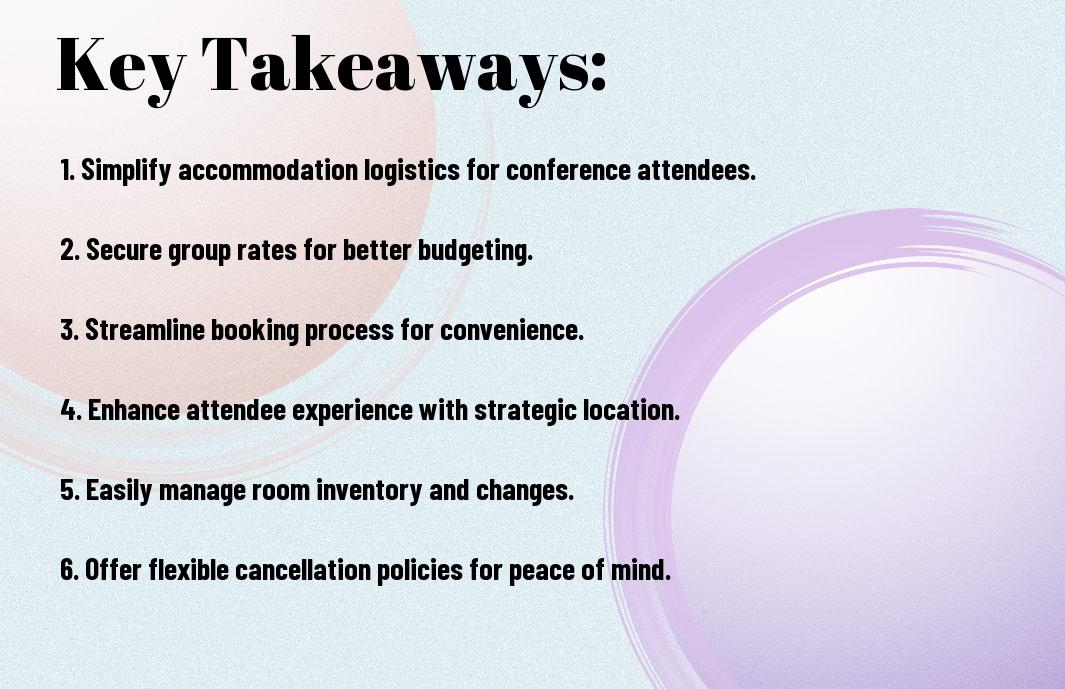
Key Takeaways:
- Streamlined Planning: Utilizing room blocks simplifies the accommodation process for conference attendees, ensuring they have convenient lodging nearby.
- Cost-Effective Solutions: Room blocks can provide discounted rates for groups, making it more affordable for participants to attend your academic conference.
- Efficient Management: Hotel Gurus’ services help organizers manage bookings effortlessly, allowing more focus on the conference’s content and networking opportunities.
Understanding Room Blocks
A room block is necessaryly a reserved group of hotel rooms set aside for attendees of a particular event, like an academic conference. By arranging a room block, you ensure that a number of accommodations are available at a designated hotel for your participants, often at a discounted rate. This can significantly simplify the logistics of planning your conference and create a more streamlined experience for your attendees, allowing them to focus on the event rather than worrying about where to stay.
Definition of Room Blocks
Around academic conferences, room blocks play an important role in coordinating accommodations. You typically work directly with hotels to secure a specific number of rooms for your event, and these rooms are often held for a designated period. The hotel will agree to provide these accommodations at a predetermined rate, making it easier for your attendees to book their stay. Additionally, some hotels might offer perks such as complimentary breakfast or shuttle services to the conference venue.
Benefits of Room Blocks for Conferences
Above all, one of the major benefits of utilizing room blocks for your conference is the cost savings they can provide. By reserving a large number of rooms, you can negotiate lower rates than individual attendees could secure on their own. This not only helps you stay within your conference budget but also enhances the overall experience for your attendees. A cohesive accommodation experience helps foster networking opportunities, as participants will be gathering in the same hotel, making it easier to connect outside formal conference settings.
Plus, having a room block allows you to maintain control over the accommodation aspect of your conference. You can ensure that all attendees are staying close to the conference venue, which can reduce anxiety about transportation and logistics. This centralized approach not only elevates the overall experience for your attendees but also simplifies check-in and check-out processes, making your event run more smoothly from start to finish.
Planning Room Blocks
While organizing an academic conference, effective planning for room blocks is necessary to ensure that all attendees find suitable accommodations near the event venue. This process involves understanding your requirements and effectively communicating with potential hotel partners. Aligning your accommodation strategy with the conference’s goals not only facilitates attendance but also enhances the overall experience for everyone involved.
Assessing Attendee Needs
By evaluating the demographics and needs of your attendees, you can make informed decisions regarding the size and type of room blocks. Consider factors such as the anticipated attendance numbers, their preferences for room types, and their budget. Gathering this information can be accomplished through pre-conference surveys or registration forms, ensuring that your room blocks cater to diverse attendee needs, from students to seasoned professionals.
Selecting the Right Venue
About finding the perfect venue, you’ll want to assess factors such as location, accessibility, and available amenities. Your preferred hotels should be conveniently located to where the conference will take place, making it easier for participants to attend. Additionally, venues that offer amenities like meeting spaces, business centers, and complimentary transportation can greatly enhance the experience for your attendees.
In fact, a strong connection between your conference venue and hotel options can bolster the success of your event. By working with hotels that are not only close by but also provide facilities conducive to networking and collaboration, you ensure that your attendees have easy access to necessary resources and can interact more freely during the conference. This strategic alignment of lodging and conference space can result in a more cohesive and enjoyable experience for everyone involved.
Working with Hotels
Keep in mind that establishing a successful partnership with hotels is fundamental when booking room blocks for your academic conference. Understanding the hotel landscape and having clear communication can pave the way for smooth negotiations and a seamless experience for your attendees. This involves identifying hotels that not only meet your budget but also align with the needs of your conference, such as location, amenities, and accessibility.
Negotiating Rates and Terms
For effective negotiations, you should start by conducting thorough research on potential hotels, evaluating their average rates, and understanding the benefits they offer. Compile your requirements, including the number of rooms needed, check-in and check-out dates, and specific amenities that are imperative for your conference. This preparation will give you a strong foundation to propose reasonable rates while also understanding the leverage you may have based on your event size and timing.
Coordinating with Hotel Management
Between securing room blocks and ensuring that the hotel accommodates your needs, coordination with hotel management becomes imperative. Early and clear communication allows you to discuss your specific needs, from catering options to AV equipment, ensuring that your attendees will have a comfortable experience during their stay. Establishing a direct line of communication with the hotel will facilitate adjustments as the event approaches and assist in addressing any unexpected challenges.
Rates, amenities, and services offered by hotel management can significantly impact your conference’s overall success. Therefore, it is wise to keep this dialogue open throughout your planning process. Provide the hotel with details about your conference schedule and any special requirements, as this will help them tailor their services to your event. The more they understand your objectives, the better equipped they will be to provide exemplary service to your attendees. By maintaining an ongoing relationship with hotel management, you set the stage for a mutually beneficial arrangement that enhances the conference experience for everyone involved.
Managing Room Blocks Effectively
Despite the benefits that come with using room blocks for academic conferences, managing them effectively is imperative for a smooth event. This process involves attention to detail, proactive communication, and continuous monitoring. By staying organized and utilizing the right tools, you can ensure that your conference attendees have a seamless experience from check-in to check-out.
Monitoring Reservations
One of the key aspects of managing room blocks is monitoring reservations closely. This entails regularly checking your block’s occupancy levels and understanding trends in booking patterns. By analyzing this data, you can make informed decisions about whether to expand your block or actively encourage attendees to secure their accommodations, ensuring that all your guests have a place to stay during the event.
Communicating with Attendees
Managing effective communication with your attendees is vital for maintaining an organized room block. Keeping participants informed about accommodations helps alleviate any uncertainties they may have regarding their stay. Send out important information such as booking links, deadlines for securing rooms, and check-in procedures. Your attendees will appreciate timely updates and clarity, which can enhance their overall experience at the conference.
Room numbers can fluctuate as attendees secure and modify their reservations closer to the event date. Consider establishing a dedicated communication channel, such as email newsletters or a conference app, where you can continuously provide updates and information about the room block. This approach not only keeps your attendees engaged but also allows you to address any issues promptly, fostering a positive environment for your academic conference.
Challenges and Solutions
Many event planners encounter various challenges when managing room blocks for academic conferences. While these room blocks streamline accommodation for attendees, they can also present issues such as overbooking, insufficient availability, and miscommunication between hotels and event organizers. These common frustrations can lead to increased anxiety for planners and dissatisfaction among attendees, significantly impacting the overall success of the event.
Common Issues with Room Blocks
Room block management can be tricky, particularly when it comes to estimating the correct number of rooms needed. Underestimating can leave attendees scrambling for accommodations, while overestimating may result in excess fees and frustrating cancellation processes. Additionally, fluctuating attendee interest can add to the complexity, as numbers may change significantly leading up to the event. To make matters worse, poor communication can lead to discrepancies in booking details or confusion over terms, further complicating arrangements.
Tips for Overcoming Challenges
For successful navigation of these challenges, you can adopt certain strategies that simplify the room block process. Start by accurately forecasting your attendance based on past events and current registration trends. Consider the following tips to enhance your room block management:
- Collaborate closely with hotels to ensure a clear understanding of group needs and expectations.
- Communicate regularly with attendees about booking deadlines and options to maintain interest and engagement.
- Utilize technology tools that help track reservations and provide real-time updates.
This approach not only prevents potential issues but also fosters a better experience for both you and your attendees.
This proactive stance opens up opportunities for improvement throughout the planning process. By carefully monitoring room block sizes and terms, as well as establishing strong relationships with hotel partners, you can alleviate many of the common problems associated with room blocks. Incorporating strategies such as:
- Providing a dedicated contact at the hotel for swift issue resolution.
- Offering flexible booking options to accommodate fluctuations in attendance.
- Gathering feedback from past attendees to refine future arrangements.
This comprehensive strategy ensures a smoother experience for everyone involved.
Case Studies and Success Stories
All successful academic conferences can attribute part of their excellence to effective planning, and room blocks play a significant role in that. By utilizing Hotel Gurus’ room block services, you can enhance the overall experience for your attendees. Here are some compelling case studies that demonstrate the tangible benefits you could realize:
- University Annual Science Conference: Coordinated 300+ delegates with a 90% hotel occupancy rate, resulting in increased networking and engagement among attendees.
- International Education Symposium: Leveraged a room block to provide discounted rates for 200 participants, leading to a 15% increase in registration compared to the previous year.
- Global Health Conference: Implemented tailored room blocks in multiple hotels, providing flexible options for 500 attendees, which improved satisfaction scores by 20% according to post-event surveys.
- Technology and Innovation Forum: Successfully negotiated a 25% lower rate than competitor hotels, saving 50% of the total accommodation costs, which was then allocated to enhancing conference programming.
These success stories illustrate how you can manage your conference logistics more efficiently while offering added value to your participants. By planning ahead with well-structured room blocks, you not only ensure that your attendees have convenient accommodations but also enhance their overall experience at your academic event. Embracing proven strategies, just like those in these case studies, can set your conference on the path to success.
Summing up
Considering all points, utilizing room blocks for your academic conferences can transform your event planning experience. By securing a group of hotel rooms at negotiated rates, you ensure that your attendees have convenient and comfortable accommodations, which can enhance overall participation rates and satisfaction. With services from Hotel Gurus, you can streamline this process and eliminate the stress of managing individual reservations, allowing you to focus on delivering a successful conference.
Your ability to efficiently organize academic conferences hinges on thoughtful logistics, and leveraging room block services can be a game-changer. This not only simplifies the booking process for your attendees but also sets a professional tone for your event. With Hotel Gurus’ expertise, you can seamlessly integrate accommodations into your conference planning—ensuring that your attendees can concentrate on their academic pursuits while enjoying a well-organized event experience.
FAQ
Q: What is a room block and how does it work for academic conferences?
A: A room block is a reserved grouping of hotel rooms set aside for attendees of an academic conference at a specific hotel. This arrangement ensures that participants have guaranteed accommodations at a predetermined rate. Organizers typically negotiate and secure these blocks with hotels well in advance of the event, allowing attendees to book their rooms directly through the hotel or via a provided link. This service aids in managing logistics and enhances the overall experience for all conference participants.
Q: What are the benefits of using room blocks for academic conferences?
A: Utilizing room blocks for academic conferences offers several benefits. Firstly, it helps to ensure proximity to the conference venue, reducing travel time for attendees. Secondly, negotiating a block typically yields discounted rates, making it more affordable for participants. Additionally, centralizing room bookings can lead to better coordination of transportation and event activities, fostering a sense of community among attendees. Finally, it simplifies the process for both organizers and participants, enhancing the overall efficiency of the event planning.
Q: How can Hotel Gurus assist in organizing room blocks for my academic conference?
A: Hotel Gurus specializes in facilitating room block arrangements for academic conferences, providing comprehensive services that include selecting ideal hotels based on proximity and amenities, negotiating favorable room rates, and managing the booking process. Our dedicated team works closely with conference organizers to align with their needs, ensuring a hassle-free experience from start to finish. We streamline communication between the hotel and attendees, allowing your focus to remain on the success of the conference itself.


